
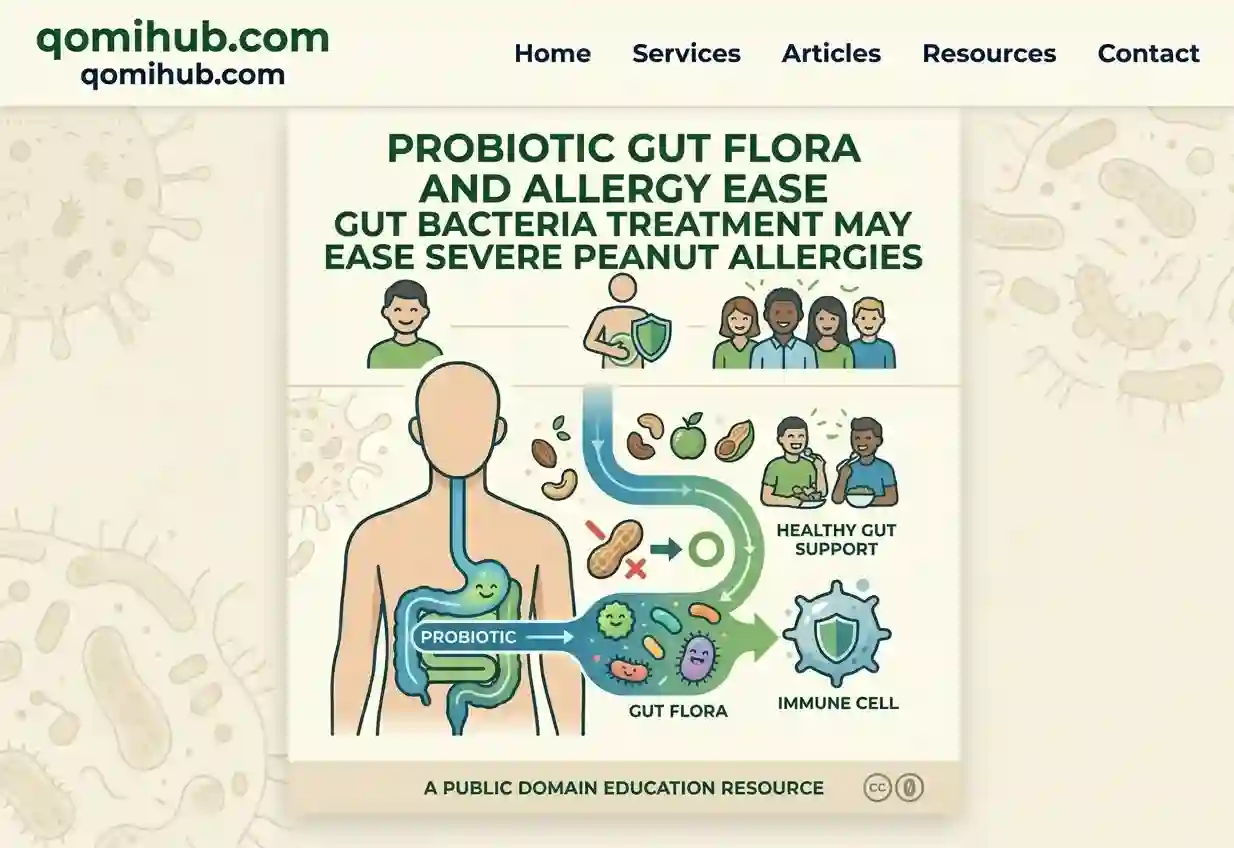
A tiny pilot study may have uncovered an unexpected breakthrough in the quest for effective treatment of peanut allergies – one that doesn’t involve any form of food exposure therapy or pharmaceuticals, but rather relies on what’s inhabiting the gut microbiome of the patient.
In the course of their study, scientists discovered that fecal transplants, which alter the composition of intestinal bacteria, aided in alleviating severe peanut allergies among a number of test participants.
How the Study Worked
In the study, the researchers used ten young adults suffering from severe peanut allergies who reacted to very small amounts of peanut in their bodies. The subjects took frozen pills that contain fecal material from people whose gut microbiomes are considered healthy and which consist of beneficial bacteria strains.
After three months, three out of the ten participants were capable of tolerating several peanuts without having any reactions.
Adding Antibiotics Into the Mix
In a second part of the experiment, scientists attempted an alternative approach. In addition to the first group of five volunteers, five more people were subjected to antibiotic treatment prior to fecal transplantation. The reasoning was straightforward: flush the existing gut bacteria from some subjects' intestines so that the bacteria from the donors would settle more effectively.
Indeed, the results turned out to support this hypothesis. As many as three subjects in this group exhibited increased peanut tolerance, being able to eat more than four peanuts before exhibiting any symptoms — a more positive outcome compared to the first group.
Also Read: How to Lose Weight: 12 Simple, Sustainable Tips
What's Actually Happening Inside the Body
In order to find out what made it happen, the scientists conducted blood analysis on these patients. Those patients who had a positive reaction to treatment had higher concentrations of bile acids – substances that enable fats digestion in small intestine.
As a result, it became obvious that beneficial bacteria used in the transplants could break down bile acids more effectively compared to bacteria present in people with allergy.
Moreover, it turned out that this feature was even more important than the researchers had thought. Conducting additional studies, the scientists found out that due to the fact that these bacteria broke down bile acids more efficiently, they increased the concentration of immune cells that are capable of preventing allergic reactions.
What Researchers Are Saying
Dr. Rima Rachid from Boston Children’s Hospital, who headed the research, referred to it as a true breakthrough in terms of understanding the underlying biology behind food allergies.
“'This landmark study has shown for the first time that a microbiome therapy might help food allergy in humans and also uncovered how gut bacteria, their metabolites and the immune system interact to affect treatment outcome,'” she noted.
However, she also emphasized that this study should be regarded as a preliminary one. “'Further studies of fecal and microbiota transplantation are now required to validate these results, define responsive patients, and discover bacteria that can be used to develop targeted probiotics for food allergy,” Rachid stated.
💬 Comments
Be the first to comment.
Login to leave a comment.