
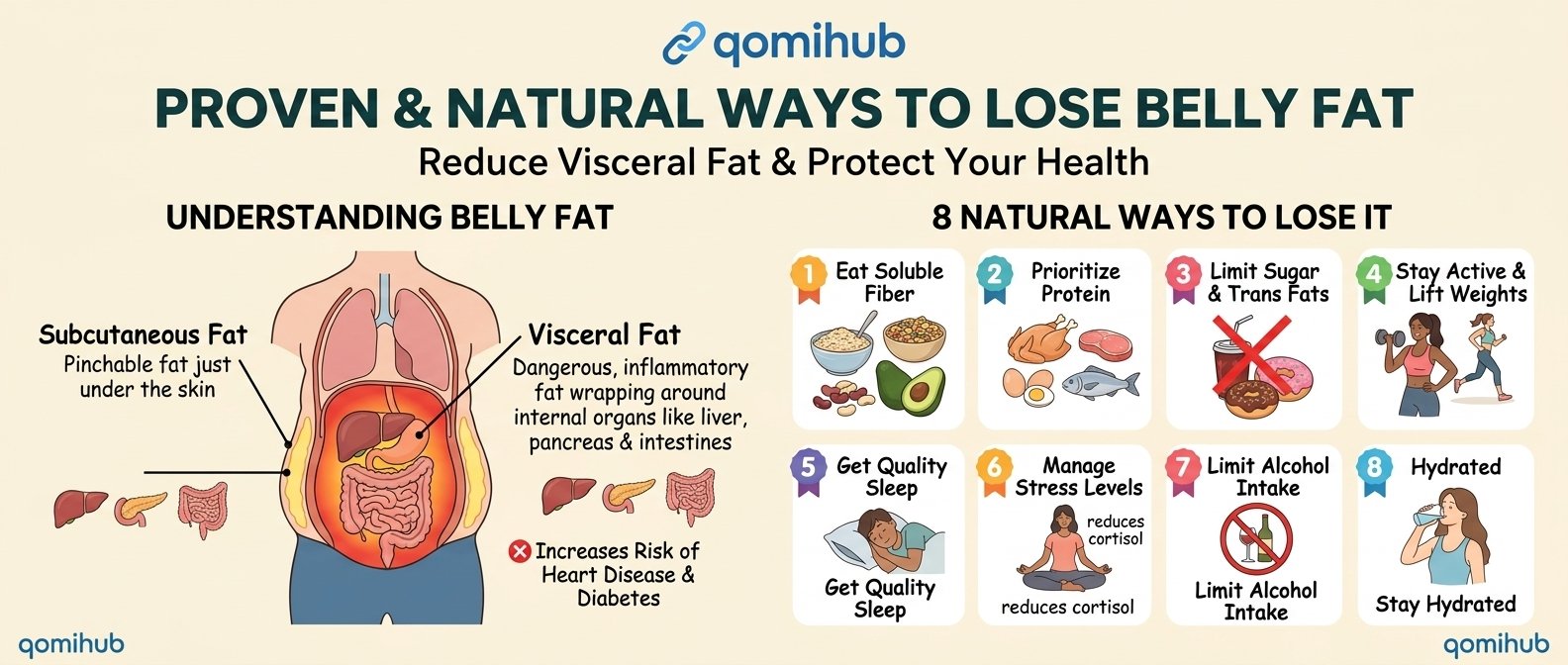
Belly fat is a hard fat to lose. In addition to hanging over our hips and hanging around our waist, the fat that we pinch on our bodies is called subcutaneous fat. However, the dangerous fat that wraps around internal organs such as the liver, pancreas, and intestines is called visceral fat. It means that visceral fat is inflammatory and hormonal. Thus, high visceral fat increases the risk of heart problems and diabetes. The fact that we cannot lose weight in a particular place does not mean that we cannot lose it there. Though we cannot lose weight in one place, there are natural ways to lose belly fat and reduce the risk of disease. What are these proven ways? Let's find out together.
Why Belly Fat Is So Stubborn
Belly fat can be burned differently than other types of fat since it is closely related to insulin resistance. In short, having high amounts of visceral fat reduces the body’s ability to respond to insulin, which makes it harder to lose weight since the process will be slowed down significantly. Various genetic, hormonal, and external factors like stress, aging, and the overall quality of the diet contribute to the amount of visceral fat one may have. That is why there is a wide range of possible outcomes when it comes to burning belly fat, and no two people will experience the same thing. Nevertheless, it is important to remember that losing visceral fat is indeed possible in most cases since it is not an isolated issue; it is a complex mechanism that must be addressed accordingly.
1. Focus on Overall Calorie Balance, Not Spot Reduction
No, it's not possible to target belly fat with ab exercises, because the body cannot perform spot reduction. You can create a slight overall deficit by reducing calories and burning more, which will reduce body fat. Losing fat is all about calories, creating a slight deficit will allow your body to burn calories from fat stores, resulting in less belly fat as well. Eating healthy and including more healthy and low calorie foods in your diet will make it easier to be in a deficit and to avoid overeating.
2. Prioritize Protein at Every Meal
Proteins are good for you when it comes to losing weight because they are very filling. They make you feel full by increasing the hormone that signals fullness and decreasing the hormone that signals hunger. Also, because of the loss of fat during a deficit, you will want to eat more protein to avoid the loss of lean body mass. Loss of lean body mass will decrease your metabolism so it is important to eat food that contains protein such as eggs, fish, poultry, lentils, and Greek yogurt.
3. Increase Your Fiber Intake
Fiber-rich foods such as vegetables, fruits, legumes and whole grains contain elements that slow the digestive process, causing a feeling of fullness and reducing overall food intake. Eating about 25 to 30 grams of fiber-rich foods per day is associated with healthy digestion and, according to research, is connected to lower levels of visceral fat, being one of the most precise methods of reducing it.
4. Cut Back on Sugary Drinks and Processed Foods
Sugary drinks are one of the primary and common sources of empty calories that may lead to fat accumulation around the abdomen. Processed foods are another significant contributor to the issue. It is essential to reduce the consumption of sugar-sweetened beverages and notice that they can be substituted by non-caloric substitutes, such as water, natural juices, unsweetened teas and coffees. A similarly substantial effect may be achieved by replacing highly processed foods with whole foods.
5. Combine Cardio With Strength Training
Regular physical activity, such as quick walking, running, swimming, and bicycling, not only burns calories but also improves heart health and decreases body fat, including visceral fat, which is stored in the abdominal region. However, a workout plan that includes resistance training or weightlifting is an important element in losing belly fat.
Resistance training helps maintain the amount of muscle in the body, which is needed to burn calories, so that a person does not consume fewer calories as they age. As a result, a combination of at least 150 minutes of moderate-intensity aerobic activity and two or more hours of resistance training per week is likely to be more effective in reducing belly fat than cardio workouts alone.
6. Get Enough Quality Sleep
Adequate sleep plays an important role in reducing belly fat. Lack of sleep alters hunger and satiety hormones often causing overeating with increased consumption of calorie-dense foods the next day. Chronic lack of sleep has also been shown to increase visceral fat independent of dietary intake. Therefore, obtaining adequate amounts of sleep (7-9 hours per night) is an essential element that should not be overlooked in any weight loss plan.
7. Manage Stress and Cortisol Levels
Chronic stress increases the production of the hormone cortisol, which is associated with higher fat storage around the abdomen. This explains why, when under stress, fat tends to stubbornly accumulate around your waist no matter what diet you adhere to or what kind of exercise you perform. The best way to deal with stress is to find some stress reduction activities that you enjoy doing and make time for them regularly. These activities could include deep breathing, meditation, practicing yoga or even taking a break to read a book you've been meaning to get through.
8. Limit Alcohol Consumption
Alcohol is full of calories and empty of nutrients, and it has another unwanted side effect: promoting belly fat, also known as beer belly (but applicable to all drinks). It makes us caloric, lowers our resistance to foods that promote weight gain, and causes insomnia, which leads to further weight gain.
9. Stay Consistently Hydrated
Drinking enough water may help almost all of your body's metabolic processes, including breaking down fat. Drinking water before meals could also slightly accelerate your metabolism and reduce your appetite, giving you a simple and effective way to reduce belly fat.
How Long Does It Take to See Results?
Since belly fat reduction is related more to the global and progressive loss of body fat than to rapid diets, it will most likely take several weeks or even months of consistent effort before any significant results can be noticed. It all depends on one’s level of commitment and starting body mass. On that note, it is crucial to avoid crash diets and drastic measures as they can severely damage the body and undermine the whole point of weight loss.
Also Read: How to Lose Weight: 12 Simple, Sustainable Tips
Final Thoughts
There is no foolproof method for shedding belly fat, but focusing on a diet that is rich in nutrients, getting enough exercise, proper sleep, and stress management is an efficient and well-researched approach. Visceral fat is affected by general lifestyle changes rather than specific targeted actions, which means that the types of women (and men) that successfully get rid of belly fat are the ones that commit to making gradual changes in their lives.
Frequently Asked Questions
Can you lose belly fat without exercise?
Dieting, on its own, can reduce belly fat to an extent, yet, combined with exercise and a healthy lifestyle, the results are much more prominent.
What is the fastest way to get rid of belly fat naturally
There is no quick fix to get rid of belly fat, as it will require a holistic approach involving a proper diet and exercise. Losing fat in the stomach area will require a calorie deficit and a routine that includes cardiovascular and strength training, as well as adequate sleep and stress levels.
Does stress really make you gain belly fat?
Chronic stress contributes to higher levels of cortisol in the blood, which, in turn, is believed to increase fat deposits around the belly button.
How much visceral fat is considered healthy?
Men with a waist circumference of more than 40 inches and women with a waist measurement of more than 35 inches were found to have a higher risk of developing health conditions, related to visceral fat, by the National Institutes of Health.
💬 Comments
Be the first to comment.
Login to leave a comment.