
When it comes to ways to lose weight, we are all aware of the basics. We must limit the calories and burn them off while working out. However, there is the third aspect to this equation, which we ignore. It is the foundation of every endeavor to lose weight that the serious dieters forget about. If you find yourself on the starting line, unable to move, it is best to look at your sleep patterns, since they can hurt your chances to lose weight. Here is why lack of sleeping can sabotage your fitness goals and what you can do about it.
Sleep Controls the Hormones That Control Your Appetite
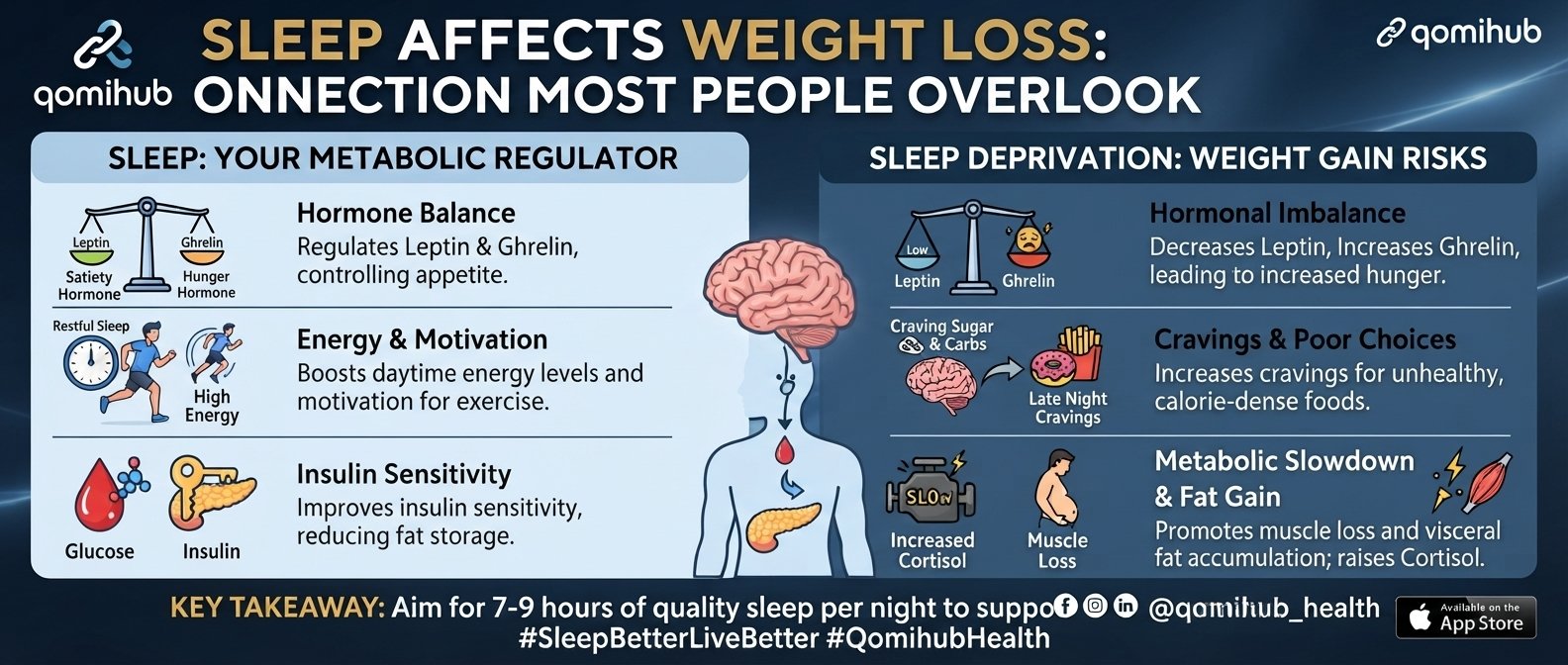
The Two Hormones Responsible For Hunger Are Ghrelin And Leptin – The Former Tells Your Brain When You’re Hungry And The Latter Tells It When You’re Full. Lack Of Sleep Disrupts This Hormonal Balance – Increasing Levels Of Ghrelin And Decreasing Levels Of Leptin, Leaving You With The Persistent Impression That You Haven’t Eaten In Hours Even If You’ve Had A Couple Of Meals Already That Day
A Sleep-Deprived Brain Is Not A Disciplined Brain, So The More Hours You Spend In Bed, The Lesser Your Chances Of Overeating Are
Poor Sleep Pushes You Toward the Wrong Foods
Not only do you consume more when tired, but the types of food also change - sleep deprivation is associated with a greater craving for calorie-dense, carbohydrate-rich, and sugar-laden foods. The brain's reward center is more sensitive to junk food and its decision-making region is less active when not enough sleep is gotten.
This means that you are more likely to eat junk food after a bad night's sleep than something healthier.
Tiredness Kills Motivation to Move
Even though having a clean diet is important, insufficient amounts of sleep steal physical activity from you. When you are tired, you are less motivated to do things like climb stairs, go walking, or work out at the gym. Studies show that people who don't get enough sleep tend to burn fewer calories during physical activity, since they feel more tired and less inclined to be active.
This leads to both factors together decreasing the amount of physical activity done on a day-to-day basis.
A moderately less physically active you, over the period of weeks and months, will burn more calories than you are inputting.
Sleep Affects How Your Body Processes Fat and Sugar
Aside from healthy cravings and motivation, sleep actually impacts your metabolism. Lack of sleep decreases your body's ability to process insulin; your body stores more sugar as fat because it can't process it normally. Studies have shown that just a few nights of bad sleep can impair your body's ability to process glucose.
This is why people who often don't get enough sleep tend to gain weight even with a healthy diet and exercise; their bodies can't process food as well as they would when they're well-rested.
Stress, Cortisol, and the Sleep-Weight Loop
Lack of sleep leads to an increase in the number of stress hormones, particularly cortisol, which is a hormone that is produced by the body in response to stress. Increased cortisol levels are associated with increased adipose tissue production, especially visceral fat. In addition, sleep deprivation raises stress levels, which leads to poor-quality sleep, which raises cortisol levels, which makes it more difficult to lose weight. It’s hard to find a way out of this situation without first addressing sleep.
How Much Sleep Actually Matters
Most research suggests that seven to nine hours is a healthy target for most adults. That’s the range best balancing hunger- and metabolism-controlling hormones, Dr. Michael Jensen, an endocrinologist at the Mayo Clinic, says. “What matters is not getting less than six hours of sleep on average, but rather that chronic short sleep has adverse effects,” he adds. “…It tends to be a cumulative effect.”
Practical Ways to Improve Sleep for Weight Loss
- Maintain a regular sleep-wake schedule, even on the weekends, because disrupting your biological clock can have adverse effects that are not often taken into consideration
- Do not use electronics 30-60 min before bed as the blue light emitted from these objects can delay the process that makes you tired
- Avoiding caffeine in the afternoon can prevent loss of sleep as well since it takes longer to leave your system than most people would like to think.
- Keeping your room cool and dark can promote a healthy sleep environment
- Lastly,
- do not eat a heavy meal or go to bed hungry as this can interfere with your sleep as well.
💬 Comments
Be the first to comment.
Login to leave a comment.