
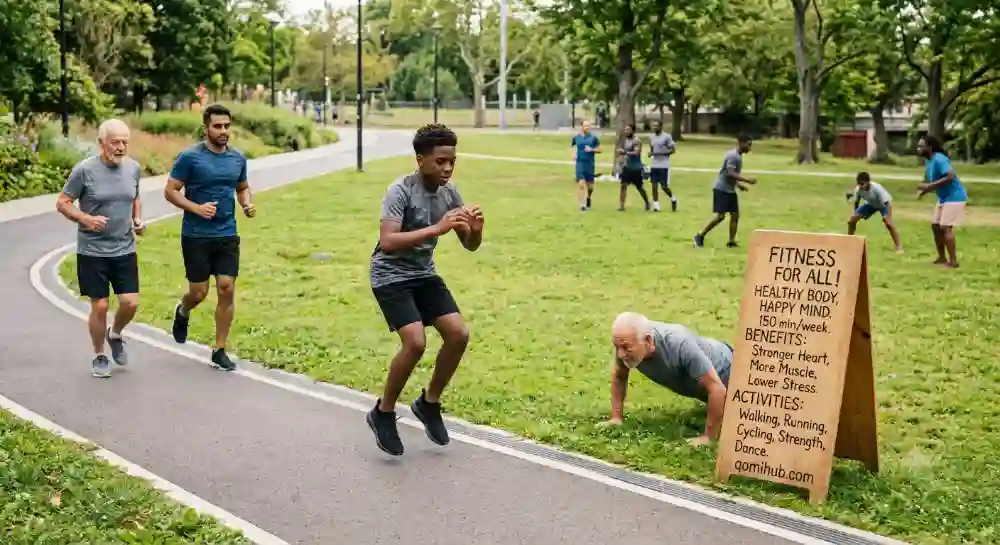
Exercise and fitness are vital for the maintenance of good health. As a student, worker, home maker or even an elderly person, exercise plays an important part in contributing towards better health. It helps to build muscle strength and keeps the bones strong. Exercise also enhances the functioning of the heart and improves mood as well as prevents numerous diseases.
What is more important is that fitness does not demand much money spent on the gym membership or complicated workouts. Even such simple things like walking, cycling, doing stretching exercises or some bodyweight exercises can give great results.
In today's world of hustle and bustle, we all spend lots of time working at our desks or glued to the phone screens. Such lack of movement contributes to the development of obesity, diabetes, heart disease, and other problems of a mental nature. Regular exercise is an easy way out of this problem.
What Are Exercises and Fitness?
Exercises can be described as any physical activity that one undertakes to improve his or her physical fitness. Fitness can be defined as the capacity of the body to carry out daily activities with relative ease.
Healthy exercises usually aim to improve various things, including:
- Cardiovascular endurance
- Muscular strength
- Flexibility
- Balance
- Body composition
Exercise Benefits
There are many ways that regular physical activity can benefit people. Here are some of the most important of them.
1. Improves Cardiovascular Health
Physical activity is great for the heart and promotes healthy blood flow through the body. It also maintains healthy blood pressure and lowers the risks of cardiovascular diseases and strokes.
2. Assists With Maintaining an Ideal Body Weight
Exercise burns down calories and raises metabolic rate. With proper diet, it helps to lose body fat while keeping muscles.
3. Builds Muscle and Bone Strength
Physical activity makes muscles stronger and helps to build bone density. It lowers the risk of developing osteoporosis when growing older.
4. Promotes Mental Health
It encourages the production of endorphins, which are also known as "feel-good hormones" and are responsible for lowering stress, anxiety, and depression.
5. Improves Sleeping Habits
Those who exercise have better quality of sleep. Good sleep improves concentration, productivity, and energy.
Exercise Types
A full-fledged fitness routine is supposed to cover all kinds of exercises.
They include:
- Walking
- Running
- Cycling
- Swimming
- Dancing
- Hiking
- Jumping Rope
Strength Training
Strength training is designed to build muscles and increase body strength.
Some common strength training activities are:
- Push-ups
- Squats
- Lunges
- Planks
- Resistance Bands
- Dumbbells
- Pull-ups
Also Read: Exercise and Fitness Benefits, Types, and Tips for Better Health
How much Exercise should you get?
- 150 minutes of moderate intensity exercise per week, or
- 75 minutes of high-intensity exercise per week
Exercise and Weight Loss
People start exercising for weight loss. It aids in burning calories while building muscles and boosting metabolism.
Tips to manage weight effectively include:
- Having a balanced diet.
- Not drinking sugary drinks.
- Keeping yourself hydrated.
- Regular exercise.
- Getting adequate sleep.
Exercising for Mental Health
Exercising is beneficial to both body and mind.
Physical activities will help:
- Lower stress levels
- Improve mood
- Increase confidence
- Enhance memory
- Increase focus
- Decrease anxiety
- Deal with mild depression
Fitness Tips for Busy Individuals
Even with a busy lifestyle, it is possible to remain active by introducing minor changes in your life.
These include the following tips:
- Climb the stairs rather than using elevators.
- Wander around during conversations on the phone.
- Stretch yourself once in an hour if you sit a lot.
- Parking your car away from the gate entrance.
- Walking after eating.
- Working out at home for about 20-30 minutes.
Healthy Lifestyle Suggestions
Exercise is most effective when done along with other healthy daily practices.
- Consume lots of water.
- Consume fruits and vegetables.
- Get 7-9 hours of sleep.
- Quit smoking.
- Eat little processed food.
- Try to reduce stress by relaxing.
- Remain physically active each day.
(FAQs)
- Is 30 minutes a day of exercise sufficient?
- Yes, exercising 30 minutes a day for five days a week is sufficient for most people to stay healthy.
- What would be the best exercise for the beginner?
- Walking, cycling, stretching, and body weight exercises are perfect choices for beginners.
- Can exercise relieve stress?
- Yes, exercise is an effective way to release endorphins that positively affect your mood and help to relieve stress and anxiety.
- What kind of exercise burns the most calories?
- Some of the most calorie-burning exercises include running, swimming, cycling, jump rope, and high-intensity interval training (HIIT).
- How many days a week should one exercise?
- One should exercise at least five days a week moderately, and two days a week of strength training exercises are recommended.
💬 Comments
Be the first to comment.
Login to leave a comment.